Business Landing Page Templates: A Designer's Practical Guide
You've spent weeks perfecting your product. The copy is tight, the offer is solid, and your ad campaign is ready to launch. But there's one critical piece missing: the landing page. For entrepreneurs, marketers, and creators, this digital storefront is often the first real interaction a potential customer has with your brand. A poorly designed page can kill conversions, while a great one builds instant trust and guides visitors toward action. This is where high-quality Business Landing Page Templates become an indispensable asset, providing a professional foundation that you can customize to fit your unique brand identity.
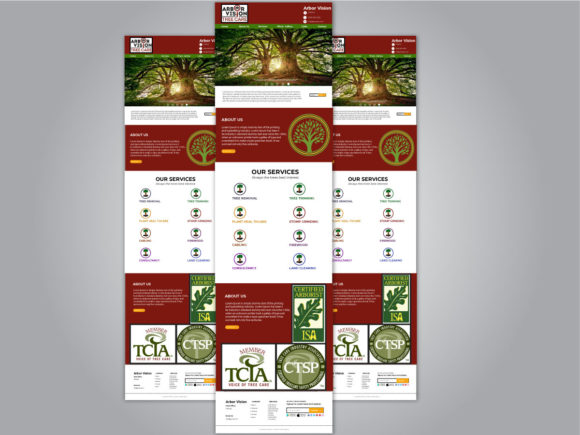
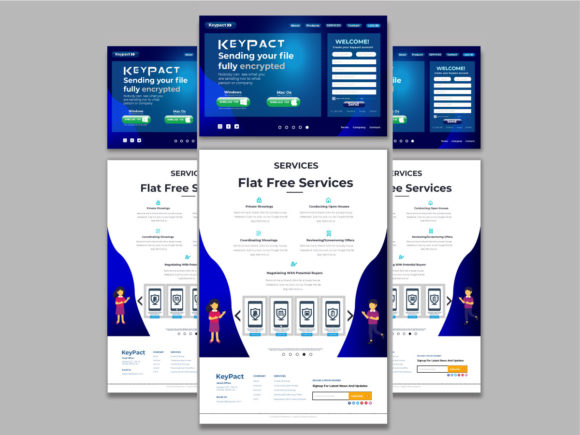
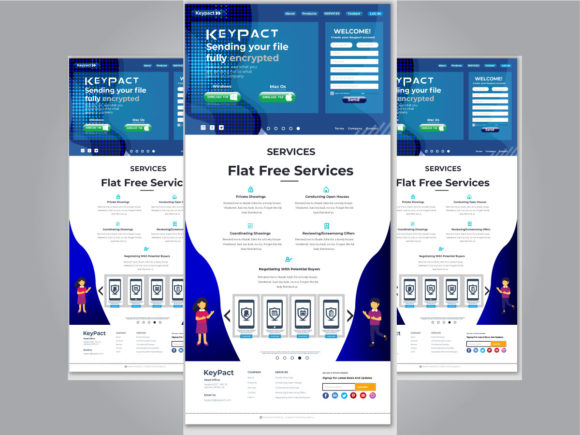
Think of a template not as a rigid cage, but as a well-built scaffold. It gives you structure, proven layout patterns, and design elements that have been optimized for user experience. Instead of starting from a blank canvas in your web design tool, you begin with a framework that understands visual hierarchy, clear calls-to-action, and mobile responsiveness. The best templates are more than just pretty layouts; they are strategic tools built with conversion principles in mind, helping you communicate value quickly and effectively.
The Anatomy of an Effective Template
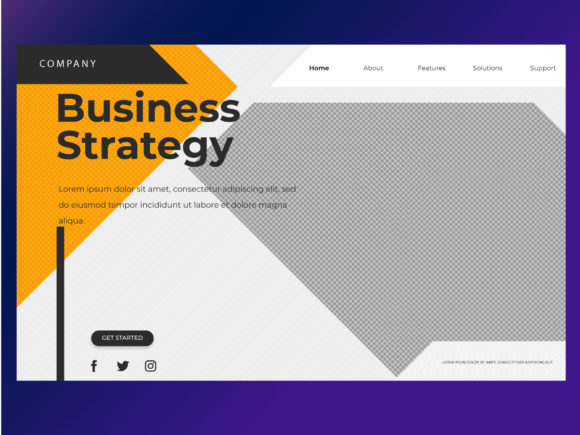
A standout business landing page template isn't just about aesthetics; it's about function. Visually, it should strike a balance between modern typography and clean, uncluttered design. You'll often see a mix of serif fonts for elegant headings and sans serif fonts for clear, readable body text—a classic font pairing that ensures both style and legibility. The color palette is typically neutral or monochromatic, allowing your own brand colors and imagery to take center stage. The overall personality is one of professionalism and clarity, designed to build credibility rather than distract.
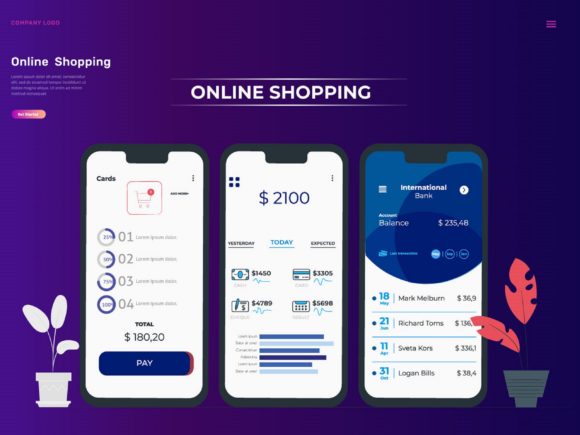
The real value, however, lies in its adaptability. A premium template package often includes more than just the page layout. Imagine receiving a complete kit: the template file itself, plus a suite of complementary design assets. This might include a set of custom icons, social media graphics sized for various platforms, and even a fully editable logo kit. This holistic approach ensures brand consistency across every touchpoint, from your main website to your Instagram stories.
Where Templates Drive Real Results
The applications for a solid landing page template extend far beyond a single product launch. For a small business owner, it can be the foundation for a new service page, a "coming soon" site, or a dedicated page for collecting newsletter sign-ups. A marketer can deploy a template rapidly for A/B testing different headlines, offers, and layouts to see what resonates with their audience without a lengthy development cycle.
For content creators and bloggers, these templates are perfect for building high-converting pages for digital products like e-books, online courses, or membership communities. The structure naturally guides the reader from a compelling headline, through benefits and social proof, to a clear purchase or sign-up button. Similarly, entrepreneurs can use them to create professional investor pitch pages or early-access sign-up forms, presenting their venture with a level of polish that inspires confidence.
Choosing and Customizing Your Template
Not all templates are created equal. When evaluating one, look beyond the surface. Check if it's built with a popular and user-friendly platform like WordPress (using Elementor or Divi) or a standalone builder like Webflow. This ensures you won't need advanced coding skills to make changes. Examine the included font styles—are there enough weights (light, regular, bold, etc.) to create proper visual hierarchy in your headings and body copy?
Customization is where you make it your own. Start by swapping out the placeholder text with your own compelling copy. Then, integrate your brand's color scheme. A well-designed template will have a limited number of accent colors, making this process straightforward. Replace the stock photography with your own high-quality images or curated visuals that reflect your brand's audience. Finally, pay close attention to the logo design integration. A template that includes a vector logo file (like SVG or EPS) is a major bonus, as it allows you to easily resize and edit the logo without losing quality, ensuring it looks crisp on every screen.
Beyond the Page: Building a Cohesive Brand
The true power of investing in a comprehensive template kit is the momentum it gives your brand identity. When your landing page, social media graphics, and logo all share the same design DNA, you present a unified and professional image. This consistency builds recognition and trust over time. A visitor who sees a cohesive visual language on your landing page and then encounters the same style on your Pinterest or LinkedIn is reassured that they're dealing with a serious, established entity.
Think of it as editorial design for the digital space. Just as a magazine has a consistent style for its layouts, your online presence should feel intentionally curated. A good template provides that initial set of rules and elements. As you grow, you can expand upon this foundation, creating your own library of reusable components that keep your brand looking sharp and professional, whether you're designing a new packaging design mockup, a promotional flyer, or a simple email header.
In the end, a business landing page template is a practical shortcut to professionalism. It saves you time, eliminates the guesswork of layout and conversion-focused design, and provides a scalable system for your visual branding. By choosing a template that is both beautifully designed and deeply functional, you're not just building a page—you're laying the groundwork for a more effective and credible online presence.