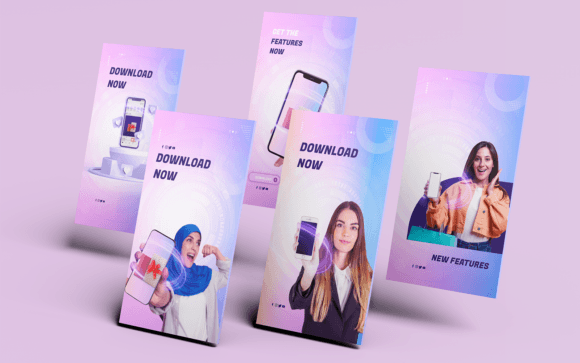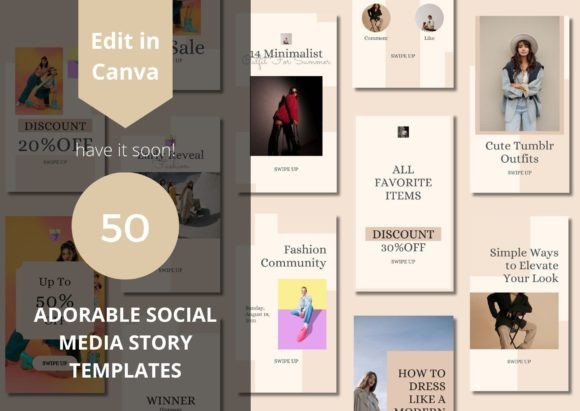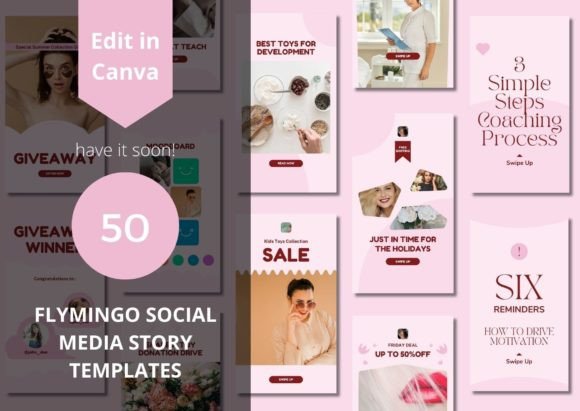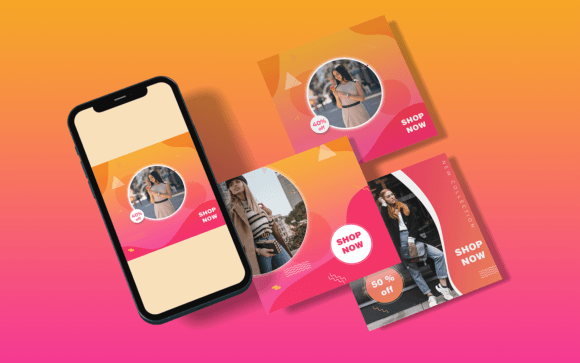
Boost Your Agency's Digital Presence with Social Media Templates
Let's be honest: the constant demand for fresh, engaging social media content can feel like a treadmill that never stops. For agencies, the pressure is twofold—you need to maintain your own brand's presence while simultaneously delivering scroll-stopping content for your clients. The solution isn't working longer hours; it's working smarter. This is where a strategic collection of Social Media Templates for Agency becomes an indispensable part of your creative toolkit, transforming your workflow from reactive to proactive.
What Exactly Are We Talking About?
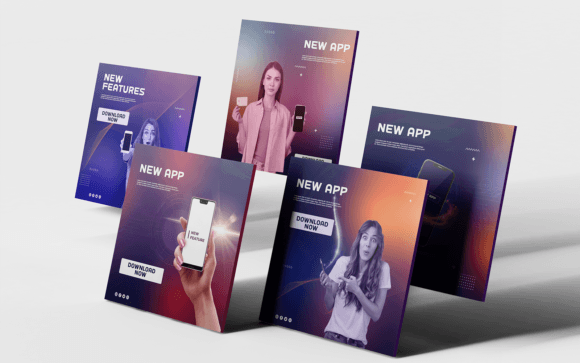
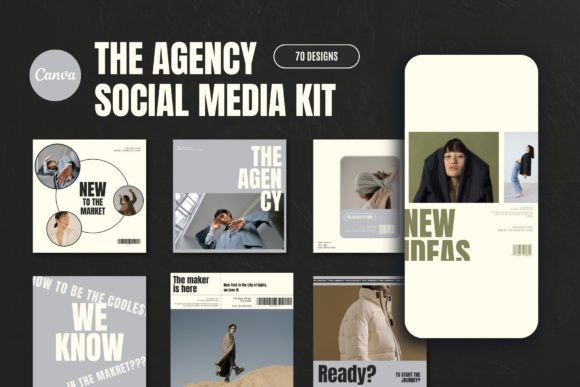
Forget the rigid, one-note templates you might have seen before. A modern Social Media Templates for Agency collection is a dynamic suite of design assets. Think of it as a visual language system for your digital presence. These aren't just static images; they are layered, editable files—often in formats like Adobe Photoshop, Illustrator, Canva, or Figma—that provide a cohesive yet flexible foundation for your agency's storytelling.
Visually, these templates are built with modern typography and clean aesthetics at their core. You'll find a mix of sans serif font pairings for clarity and a contemporary feel, often accented with a serif font for a touch of sophistication or a script font for personalized details. The color palettes are typically neutral or on-trend, allowing your agency's brand colors to take center stage. The layouts prioritize strong visual hierarchy, guiding the viewer's eye from a bold headline to supporting imagery and a clear call-to-action. The overall personality is professional yet approachable, designed to build trust and showcase expertise without feeling sterile.
Where Do These Templates Shine?
The true power of a versatile template pack lies in its application across your entire workflow. For your agency's own brand identity, these templates ensure consistency. Every Instagram story, LinkedIn post, or Facebook ad looks like it came from the same confident, polished source. This consistency is the bedrock of brand recognition.
For client work, they are a game-changer. When onboarding a new client in packaging design, editorial design, or web design, you can quickly mock up social media campaigns that align with their existing brand assets. The templates become a sandbox for presenting concepts in a real-world context. Imagine showing a client how their new logo design would look in a series of social media graphics—that's powerful persuasion.
They are equally effective for content creators, bloggers, and small business owners. A food blogger can use them to consistently frame recipe shots. A boutique publisher can create a series promoting a new book launch. The templates provide the professional design assets needed to compete visually in a crowded digital space, saving hours of time from scratch.
The Tangible Impact on Your Workflow and Results
Adopting a system of Social Media Templates for Agency does more than just speed up production. It fundamentally improves the quality and effectiveness of your output.
First, it enforces consistency. When every team member starts from the same foundational system, the visual output remains cohesive. This builds a stronger, more recognizable brand for both your agency and your clients. Second, it elevates professionalism. Polished templates eliminate the guesswork and amateurish layouts that can undermine credibility. The result is a refined look that communicates competence.
Third, and perhaps most importantly, it boosts audience engagement. A well-structured template with clear hierarchy is inherently more readable and scannable. It respects the user's time by presenting information efficiently. A beautiful creative font used in a headline can capture attention, while clean body text ensures your message is absorbed. This thoughtful modern typography directly influences how your content is perceived and interacted with.
Making Them Your Own: Practical Implementation
Simply downloading a pack isn't enough. To maximize their value, integrate them thoughtfully.
- Evaluate Project Fit: Not every template is right for every task. A bold, artistic template might be perfect for a design studio's Instagram but less suitable for a law firm's LinkedIn update. Choose based on the platform and the message.
- Master Font Pairing: Use the provided typeface combinations as a starting point, but understand why they work. A common approach is pairing a strong display font for headlines with a highly legible sans serif font for body copy. Experiment within the system to find combinations that suit different client voices.
- Test for Readability: Always check your customized templates at the actual size they'll be viewed. That elegant handwritten font might look beautiful on a desktop but become illegible on a mobile screen. Ensure text has sufficient contrast against backgrounds.
- Review Licensing: This is critical for commercial use. Reputable premium font and template licenses allow for use in client work and commercial projects. Always verify the terms to avoid legal headaches down the line. You're investing in a commercial font and asset system, so ensure the license covers your needs.
Start by applying the templates to your agency's own channels. Use them to plan a month's worth of content in advance. Observe what resonates. Then, introduce them into a client project as a way to streamline revisions and present more polished mockups. You'll quickly find that this structured approach to social media graphics doesn't stifle creativity—it focuses it, allowing your team to spend less time on foundational layout and more time on strategy and compelling content. In the digital landscape, that efficiency and polish are what set leading agencies apart.